January 1, 2026
The January 2026 Equity, Diversity, Inclusion, and Belonging (EDIB) Calendar is here! This is more than a calendar, it is a call to connect, learn, and grow in areas such as cultural and religious holidays, heritage months, and awareness observances. We encourage you to print and display the calendar in communal spaces, share it with the people you support, and keep a copy handy for your own reference.
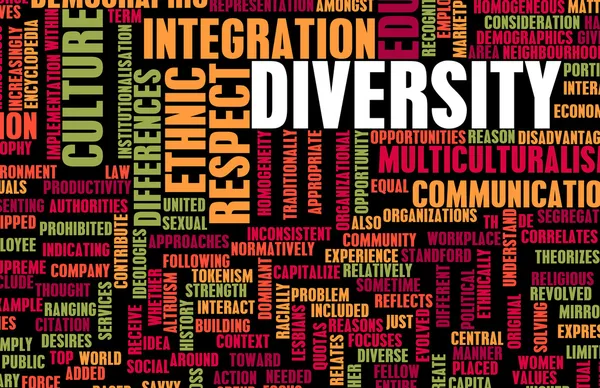
Here we also have a vibrant word cloud celebrating the heart of EDIB, including words that reflect the values we carry into 2026: respect, inclusion, culture, and connection. Let this image inspire us to continue building belonging together at Karis!
Download the January Diversity Calendar

In January we celebrate and remember:
- New Year on January 1: a statutory holiday in all Canadian provinces and territories. An important symbol of New Year’s Day are the fireworks that are set off to mark the beginning of the New Year at midnight, as 2025 becomes 2026.
- Ochetookeskaw on January 1: also called “Kissing Day” or “Shaking Hands Day” by the Métis. This derived from the custom of visiting everyone in the community and bringing in the New Year with the shaking of hands and kissing. Every household would serve food and baked goods to their guests. The sound of sleigh bells, or the bells on the tapis of the dogs pulling the sleds, always signaled the arrival of visitors. For festive occasions, the Métis always decorate their horse and dog teams with plumes, pom poms, ribbons, and bells.
- World Braille Day on January 4: Observed to raise awareness of the importance of braille as a way to communicate for blind and partially sighted people. Celebrated on Louis Braille’s birthday, the inventor of braille.
- Epiphany on January 6: It commemorates the first two occasions on which Jesus’ divinity, according to Christian belief, was manifested: when the three kings visited infant Jesus in Bethlehem, and when John the Baptist baptized him in the River Jordan. Mummers (costumed celebrants) or naluyuks may visit homes in Newfoundland and Labrador at this time of the year.
- Orthodox Christmas on January 7: This day is also known as the Feast of the Nativity and it is celebrated based on the Julian calendar. Many of the traditional meals served on Christmas Eve and Christmas Day are reflective of those cultures. For example, in Greek Orthodox tradition, baklava, kourabiethes, melomakarona, and other pastries are baked on Christmas Eve. Christopsomo (Christ’s bread) is baked on the Day of the Feast. In Russian Orthodox tradition, the meal includes Kutya and twelve other different foods. At midnight on Christmas Eve, the festive liturgy is served in all churches. At the end of the service, a lighted candle, symbolizing the Star of Bethlehem, is brought out and placed in the middle of the church.
- Pongal on January 14-17: one of the most popular Hindu harvest festivals of South India, mainly of Tamil Nadu, and marks the auspicious beginning of Uttarayan – sun’s journey northwards. This four-day-long festival is celebrated to show gratitude to the Sun, Mother Nature, and the various farm animals that help to contribute to a bountiful harvest.
- World Religion Day on January 18: a day dedicated to acknowledging, respecting, and promoting unity and understanding among different faiths, traditions, and beliefs practiced around the world. It encourages individuals to learn about different religions, engage in interfaith conversations, and work toward a more harmonious and inclusive society.
- Martin Luther King Jr. on January 19: in honour of the life and legacy of civil rights leader Martin Luther King Jr., who pushed for social and economic improvements for African-Americans while also fighting for legal equality.
- Lincoln Alexander Day on January 21: a day commemorating the Honourable Lincoln Alexander, who was a pioneer in the fight for racial equity in Canada as the first Black Member of Parliament in the House of Commons, and the first Black federal Minister.
- Bell Let‘s Talk Day on January 21: a campaign that has become the world’s largest conversation about mental health, encouraging Canadians and people around the world to talk and take action to help reduce stigma and promote awareness and understanding so everyone can get the help they need. Mental health issues and substance use disorders will affect one in three Canadians in their lifetime.
- Holocaust Remembrance Day on January 27: Designated by the United Nations (UN), this day marks the anniversary of the liberation of Auschwitz-Birkenau and commemorates the six million Jewish victims of the Holocaust and millions of other victims of Nazism. The UN reaffirms its unwavering commitment to counter antisemitism, racism, and other forms of intolerance that may lead to group-targeted violence.
- National Day of Remembrance of the Quebec City Mosque Attack and Action Against Islamophobia on January 29: A day commemorating the Islamophobic attack that took place at the Grand Mosque in Quebec City, which took the lives of six people and seriously injured 19 others. The Government of Canada established this commemorative day in 2021 to honour the victims and express solidarity with the survivors of this tragedy. It also represents a day of hope, a day where we can come together for a better future for Canadians of all backgrounds, for a Canada that is free from racism and hate.
Catalina Hernandez, on behalf of Karis Disability Services Equity, Diversity, Inclusion, and Belonging working group